Driver reference
Computer driver reference
Factual explanations of what each driver controls, where it fits in the operating system, and which interfaces define compatibility.
Audio & Display
6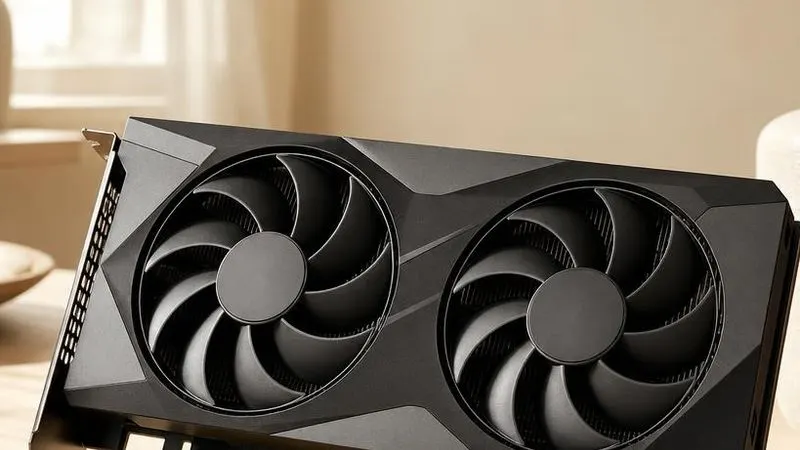
Graphics driver
The graphics driver connects Windows and applications to the GPU through WDDM, graphics APIs, memory management, and display-control interfaces.
Open reference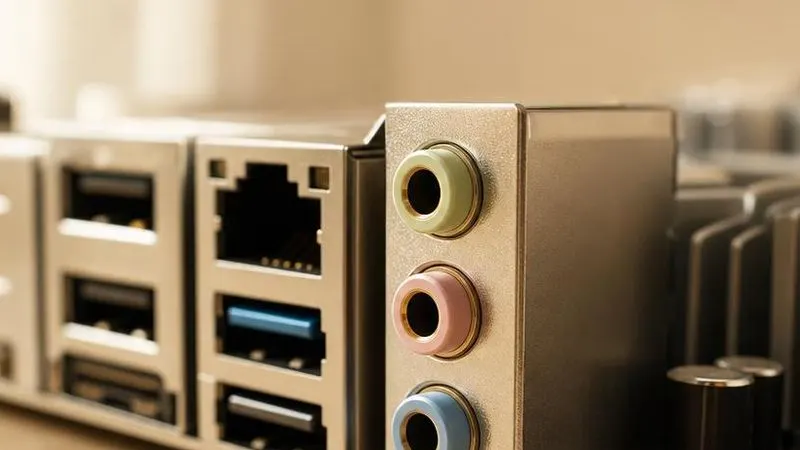
Audio driver
The audio driver connects an onboard High Definition Audio codec to the Windows sound stack, representing endpoints, formats, jack sensing, and sample buffers.
Open reference
Display monitor driver
A monitor INF describes a panel to Windows, while EDID communicates supported timings and ICM profiles characterize colour reproduction.
Open reference
HDMI display audio driver
The HDMI display audio driver exposes digital audio endpoints and carries sample streams alongside video over HDMI or DisplayPort.
Open reference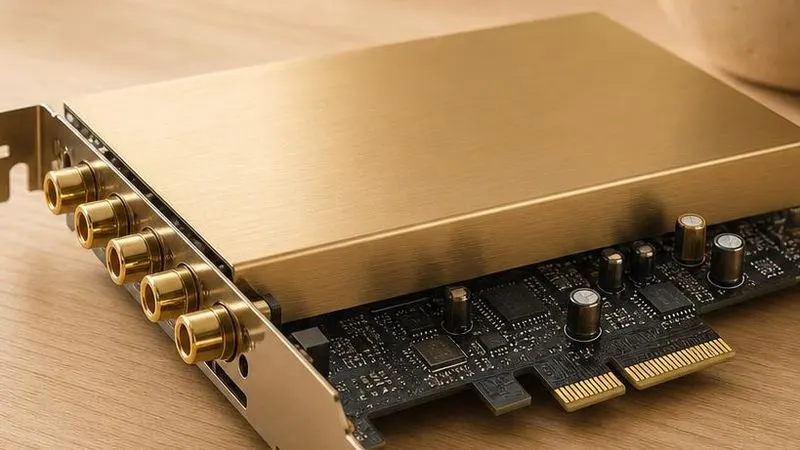
Sound card driver
A sound card driver operates a discrete PCIe or USB audio interface and exposes its converters, clocking, mixer, and ASIO or Windows audio endpoints.
Open reference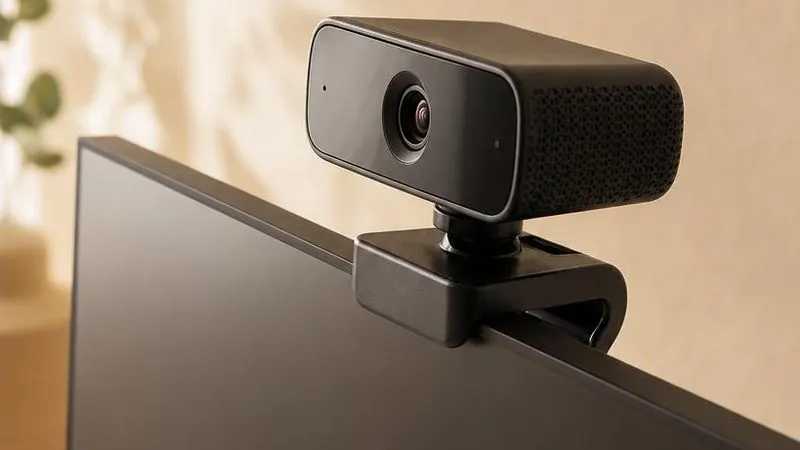
Webcam driver
A webcam driver operates a UVC camera and image signal processor, exposing video formats, controls, and frames to the Windows media pipeline.
Open referenceConnectivity
5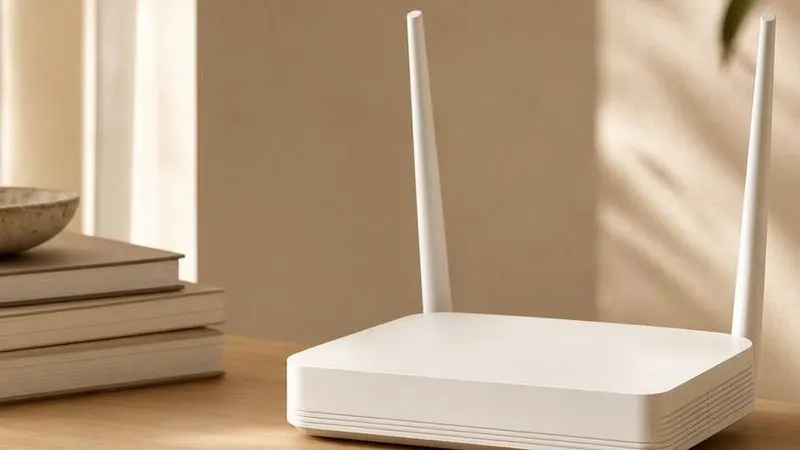
Wi-Fi adapter driver
A Wi-Fi adapter driver connects an 802.11 radio to Windows NDIS, representing bands, channels, security associations, roaming, and link capabilities.
Open reference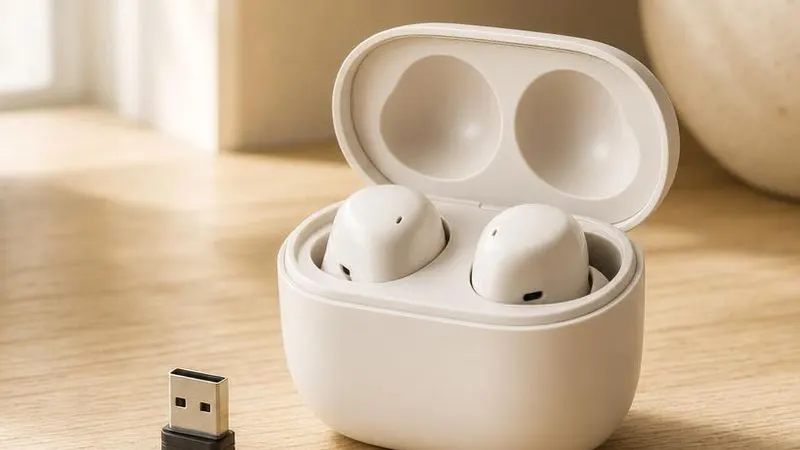
Bluetooth radio driver
A Bluetooth radio driver bridges Windows to the Host Controller Interface and supports pairing, A2DP audio, HID peripherals, and Low Energy profiles.
Open reference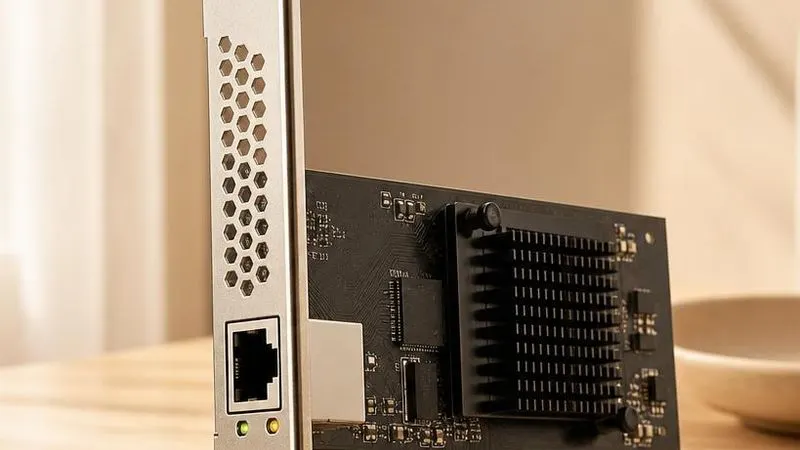
Network adapter driver
A network adapter driver implements an NDIS miniport, connecting packet queues and hardware offloads to the protocol bindings used by Windows.
Open reference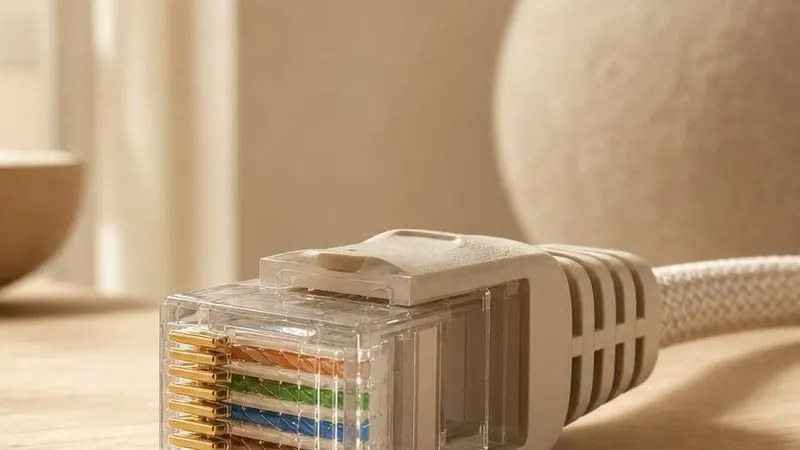
Ethernet LAN driver
An Ethernet LAN driver controls the wired MAC and PHY, link-speed and duplex negotiation, hardware offloads, Energy-Efficient Ethernet, and wake-on-LAN.
Open reference
USB xHCI controller driver
The USB xHCI driver runs the host controller, enumerates devices, schedules control, bulk, interrupt, and isochronous endpoints, and coordinates hubs and power states.
Open referenceInput Devices
5
Keyboard driver
The Windows keyboard stack translates HID reports and scan codes into input events through components including kbdhid.sys and i8042prt.sys.
Open reference
Mouse driver
The Windows mouse stack converts HID reports and optical sensor counts into pointer movement, buttons, wheel input, and device-specific DPI or polling controls.
Open reference
Touchpad driver
A laptop touchpad driver translates capacitive contact data into pointer motion and gestures, commonly through the Precision Touchpad and I2C HID interfaces.
Open reference
Game controller driver
Game controller drivers expose buttons, axes, triggers, motion sensors, and haptics to Windows through interfaces such as XInput, DirectInput, and HID.
Open reference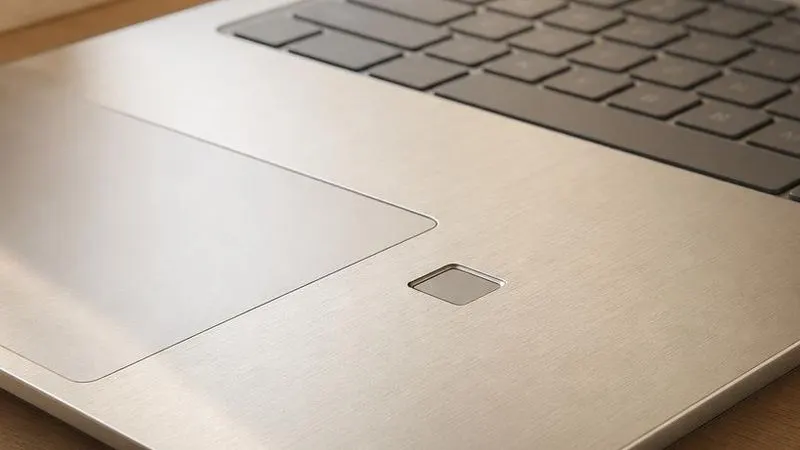
Fingerprint reader driver
A fingerprint reader driver connects a biometric sensor to Windows Hello through WBF, with designs that can include match-on-sensor processing and secure storage.
Open referenceSystem & Storage
6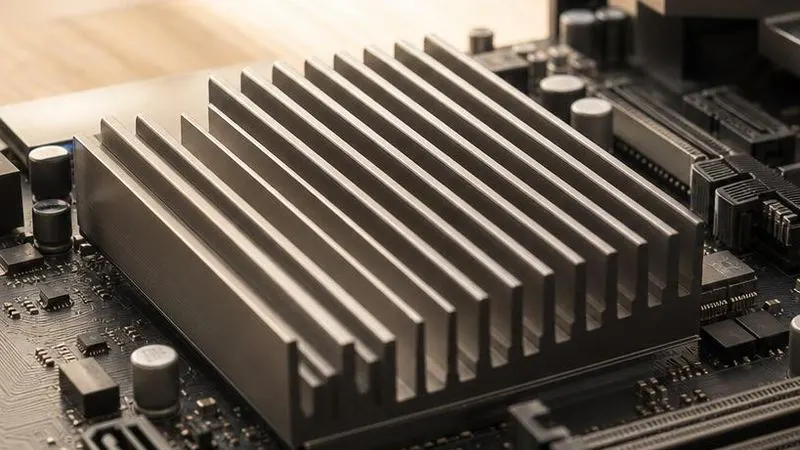
Chipset driver
A chipset driver teaches Windows how to talk to the Platform Controller Hub, its PCIe root ports, SMBus, and power-state logic so the rest of your hardware enumerates correctly.
Open reference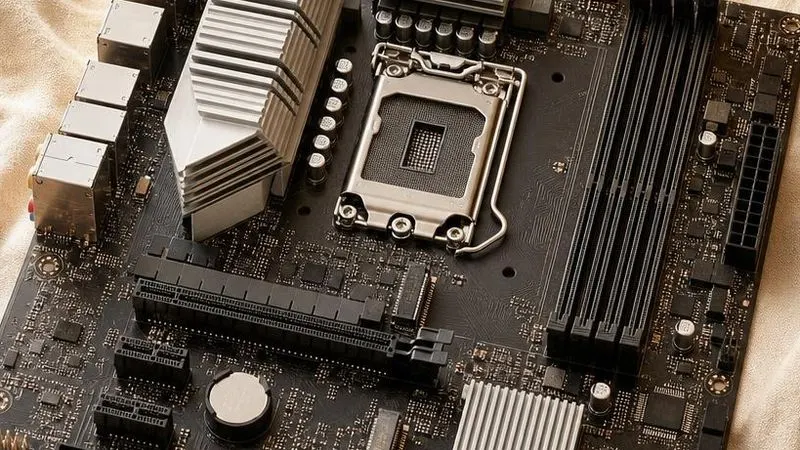
Motherboard utility driver
A motherboard utility driver exposes the Super I/O and embedded-controller sensors, fan headers, and RGB rails so vendor tuning apps can read temperatures and drive PWM fan curves.
Open reference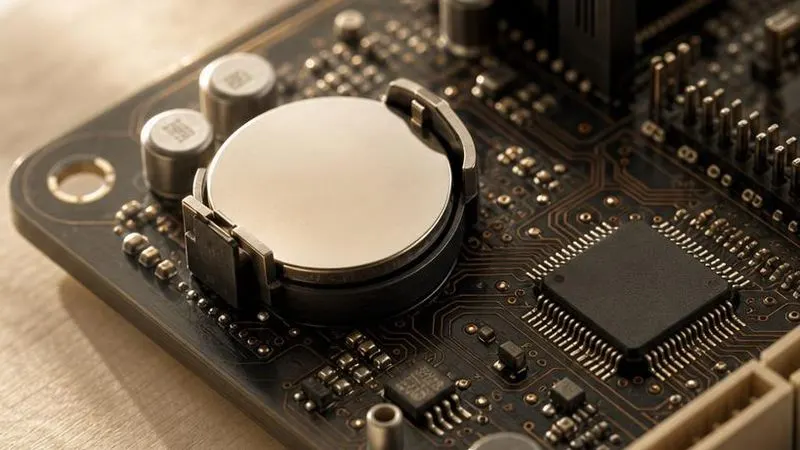
System firmware
System firmware is the code on the board's flash chip that trains memory, initialises hardware connections, and publishes the configuration tables Windows relies on before the operating system loads.
Open reference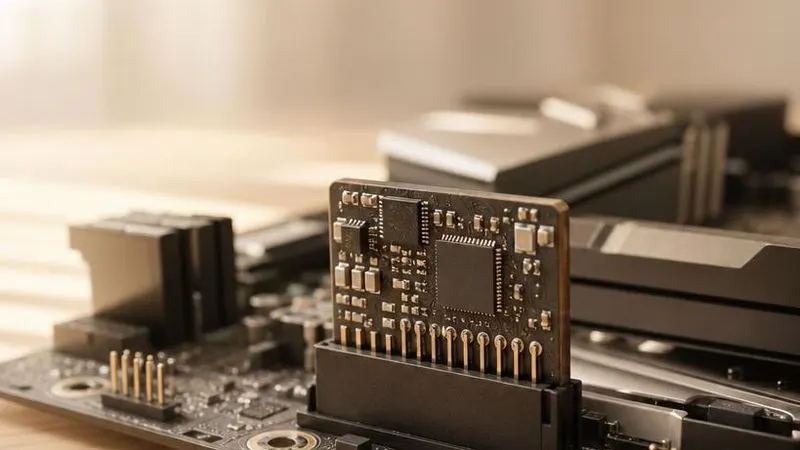
TPM driver
The TPM driver connects Windows to the Trusted Platform Module, letting BitLocker seal keys to Platform Configuration Registers and satisfying the Windows 11 TPM 2.0 requirement.
Open reference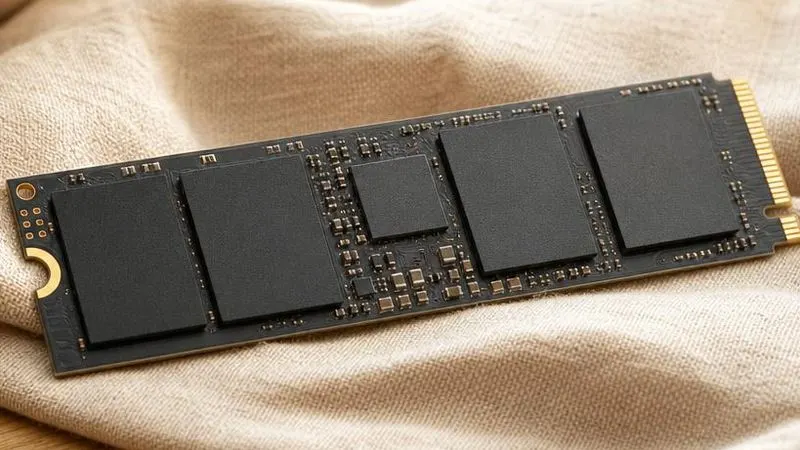
NVMe SSD controller driver
The NVMe driver drives PCIe solid-state storage through parallel submission and completion queues, handling the protocol, Host Memory Buffer, and power states your SSD depends on.
Open reference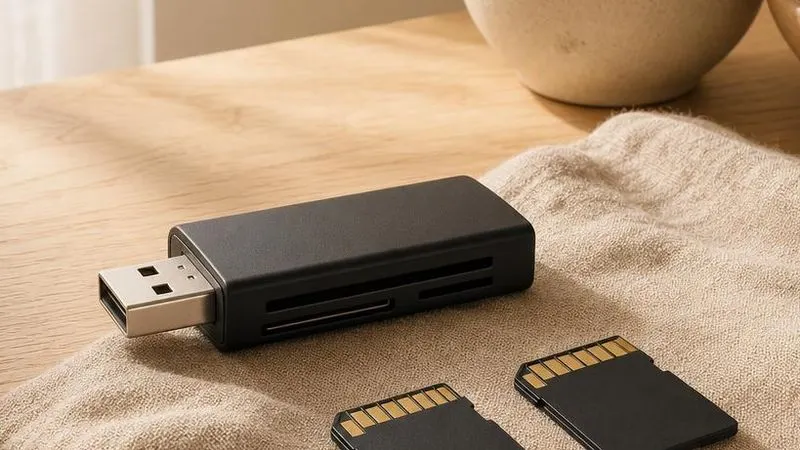
Card reader driver
The card reader driver runs the SD host controller that bridges SD, SDHC, SDXC, and microSD cards to the PC, negotiating UHS speed modes and presenting cards as removable volumes.
Open reference